EMDR Therapy in Tunbridge Wells
EMDR therapy in Tunbridge Wells from HCPC-registered Clinical Psychologists. NICE-recommended treatment for trauma, PTSD, anxiety and phobias. In-person and online sessions.

Helping Your Brain Process Trauma
Eye Movement Desensitisation and Reprocessing, known as EMDR, is a distinctive therapy originally developed for trauma but now used for a broader range of difficulties. It’s recommended by NICE (the National Institute for Health and Care Excellence) as a first-line treatment for PTSD.
At a glance
- NICE-recommended as a first-line treatment for PTSD
- Single-event trauma often improves within 6-12 sessions
- Sessions are typically 50-90 minutes
- Available online and in-person in Tunbridge Wells
How EMDR works
EMDR helps the brain process traumatic memories that have become "stuck". The therapy works through three key stages:
Memory gets stuck
When something traumatic happens, the memory can be stored in a way that keeps it feeling raw and present. Triggers bring the experience flooding back as if it's happening again.
Processing begins
During EMDR, you focus on the memory while engaging in bilateral stimulation, following the therapist's finger movements, tapping, or sounds. This appears to help the brain reprocess the memory, gradually reducing its emotional intensity.
Resolution
The memory doesn't disappear, but it loses its emotional charge. It becomes something you can think about without being overwhelmed, safely filed as part of the past.
Watch EMDR explained
These short videos from the EMDR Association UK and EMDR International Association show how EMDR therapy works.

What is EMDR Therapy?
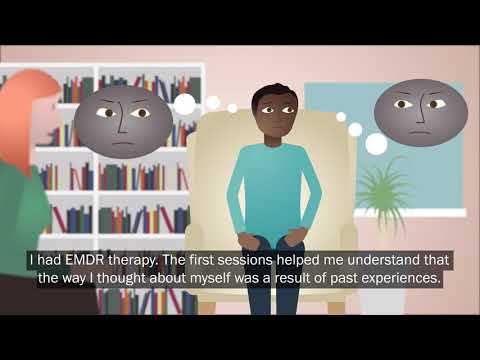
EMDR therapy explained
What EMDR can help with
Flashbacks, nightmares, and avoidance following a single traumatic event such as an accident, assault, or medical emergency. EMDR is a NICE-recommended treatment for PTSD.
Complex Trauma
Prolonged or repeated traumatic experiences, including childhood abuse, neglect, or domestic violence. EMDR can be adapted for complex presentations, carefully paced to keep you feeling safe.
Anxiety and Phobias
Anxiety and phobias often have roots in specific distressing experiences. EMDR can target these underlying memories to reduce the anxiety response.
When panic attacks are linked to specific experiences or memories, EMDR can help reduce the intensity of the fear response and break the cycle of panic.
Birth and Medical Trauma
Traumatic birth experiences or distressing medical procedures that continue to affect you. Read about EMDR for medical trauma
Performance Anxiety
When anxiety about work, exams, public speaking, or high-pressure situations is rooted in past experiences of failure, criticism, or humiliation.
The EMDR process
1
Free phone consultation
A brief, no-obligation call to hear about what you're experiencing. We'll answer your questions and match you with an EMDR-trained psychologist.
2
Preparation and stabilisation
Your psychologist will understand your history, identify target memories, and make sure you have coping skills and grounding techniques to feel safe throughout the process.
3
Processing memories
Using bilateral stimulation, you'll work through the stuck memories. You hold the memory in mind while following the therapist's movements, noticing whatever comes up without trying to control it.
4
Integration and moving forward
As the emotional charge reduces, the memory settles into the past where it belongs. The final phase ensures processing is complete and that the changes feel stable and lasting.
Is EMDR right for you?
EMDR can be particularly helpful if:
- You've experienced trauma that continues to affect you, whether a single event or repeated experiences
- Talking about traumatic events feels too overwhelming: EMDR doesn't require you to describe your trauma in detail
- Previous therapy has helped you understand your experiences but hasn't reduced their emotional impact
- You want a structured approach with a clear focus on specific memories or experiences
Our Clinical Psychologists in Tunbridge Wells are experienced EMDR practitioners. We'll discuss your situation and whether EMDR is the right fit during an initial consultation.
Take the first step
Traumatic memories don't have to keep controlling your present. EMDR can help your brain process what happened so you can move forward with your life.
Get in touchFrequently asked questions
What is EMDR therapy?
EMDR (Eye Movement Desensitisation and Reprocessing) is a therapy that helps the brain process traumatic memories that have become 'stuck'. During treatment, you focus on the traumatic memory while engaging in bilateral stimulation, which may involve following the therapist's fingers with your eyes, tapping, or sounds. This helps the brain's natural processing mechanisms reduce the emotional charge of the memory.
Is EMDR recommended by the NHS?
Yes, EMDR is recommended by NICE (the National Institute for Health and Care Excellence) as a treatment for PTSD, alongside trauma-focused CBT. It is widely used in the NHS and has a strong evidence base for treating trauma, anxiety, and phobias.
How many EMDR sessions will I need?
For single-event trauma, many people see significant improvement within 6-12 sessions. Complex or multiple traumas may require longer treatment. Sessions are typically 50-90 minutes. Your psychologist will discuss a recommended plan after your initial assessment.
Can EMDR help with anxiety as well as trauma?
Yes, while EMDR was originally developed for trauma, it is now used effectively for anxiety, phobias, panic attacks, performance anxiety, and other difficulties, particularly when these are linked to specific distressing experiences. Our Tunbridge Wells psychologists can assess whether EMDR is suitable for your situation.
Our EMDR therapists
All of our EMDR practitioners are HCPC-registered Clinical Psychologists with specialist training in EMDR therapy. We match you with the right therapist for your needs.

Dr Emily Carter
Emily is fully trained in EMDR (Parts 1-3) and has undertaken specialist training in using EMDR with children and young people. She works with trauma, anxiety, phobias, and OCD across all ages.

Dr Jo Webber
Jo is trained in EMDR with children, young people, and adults. With 15 years of NHS experience, she specialises in trauma work with both children and parents.

Dr Natalia Dylewska
Natalia is trained in EMDR therapy (Parts 1 and 2) and has a strong interest in relational trauma, complex PTSD, and the connection between mind and body.

Dr Brett Hayes
Brett has specialist expertise in anxiety and trauma, working with PTSD, complex PTSD, phobias, and OCD. He has over 10 years of experience across NHS and private settings.

Dr Naomi Thrower
Naomi completed her EMDR training with the EMDR Academy. She works with anxiety, PTSD, complex PTSD, panic attacks, and emotional regulation difficulties.

Dr Tamsin Lovell
Tamsin uses EMDR alongside relational approaches to support adults with trauma, emotional regulation, low self-esteem, and relationship difficulties, often stemming from earlier life experiences.

Dr Abbie Barnes
Abbie works with trauma, PTSD, complex PTSD, anxiety, and grief. She has a decade of experience across NHS mental and physical health settings.

Dr Sarah Maynard
Sarah uses EMDR to support adults with trauma, anxiety, phobias, and body image difficulties. She has 20 years of experience across NHS and private settings.